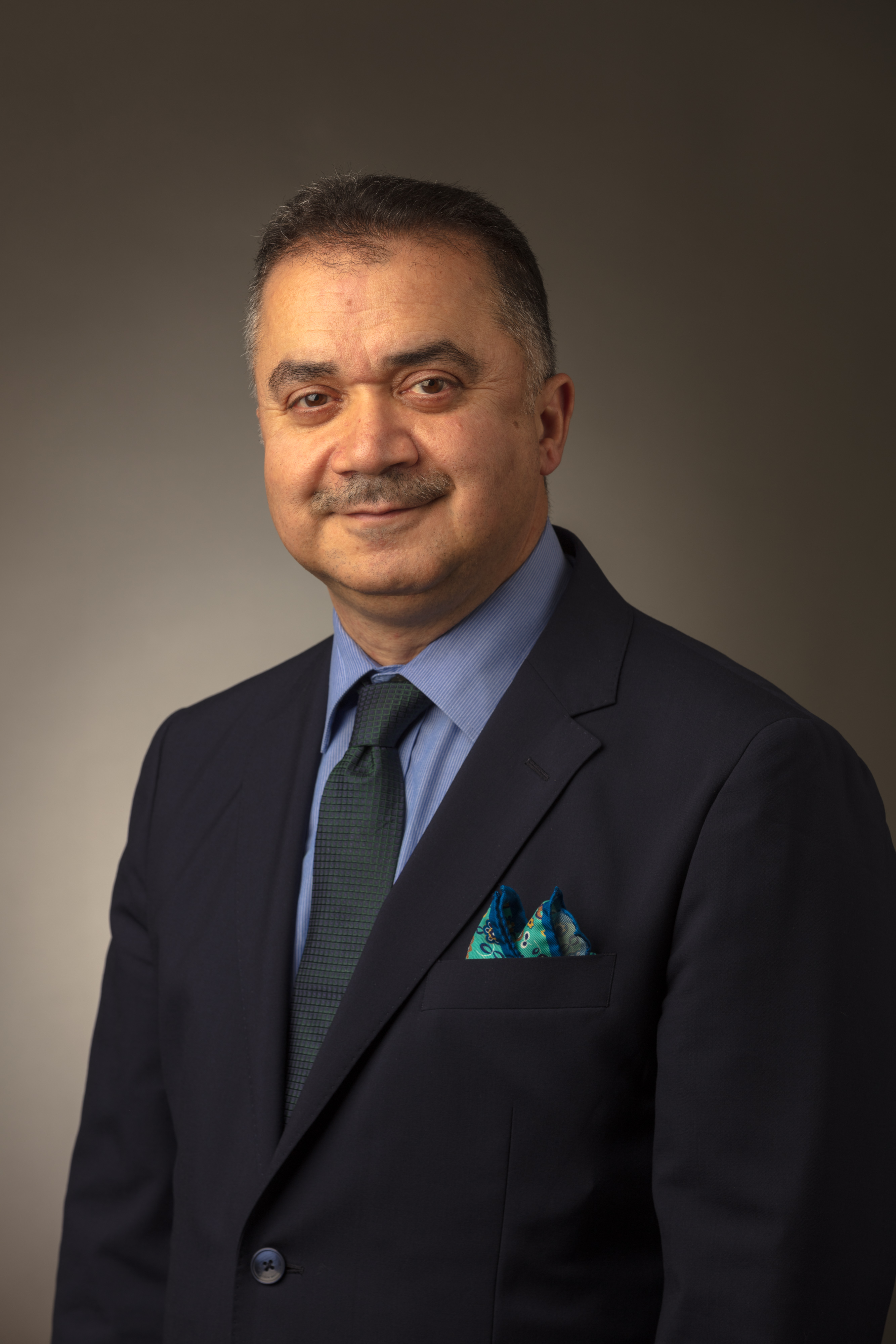
Mohamad J. Terro
Message From President of IUK
Welcome to the International University of Kuwait (IUK). We are always thrilled to see our website visited by candidates and stakeholders interested in quality education. Our strategy is marked by a quality-oriented vision and an ambitious roadmap driving our institution to lead higher education by delivering leaders and socially responsible graduates. Our educational philosophy is student-centered and focuses on achievable outcomes dynamically derived from industry requirements. Our 21 academic programs have been carefully selected through rigorous market studies to reflect the current and future job demand.
We pride ourselves with hosting a constellation of academic and administrative staff equipped with the knowledge and competencies required to prepare our graduates to future markets and inspire them to succeed in bringing about the welfare and prosperity of the society. The principles and ethical values at IUK are exemplary and actively applied to instill the culture of patriotism and world social responsibility. You will be receiving a great welcome when you visit our campus where you will enjoy the vast vibrant spaces and wealth of facilities varying from state-of-the-art laboratories to extracurricular student clubs and lounges. Our spacious landscape hosts an assortment of areas including sports courts, shaded parking spaces, and green fields in addition to zones allocated for future programs and facility expansions.
Our doors are and shall be always open to our precious candidates whether those graduating from high school or continuing students and parents. We shall make your dreams to shape your future true and strive to offer you support, during your studies and beyond your graduation, to ensure an outstanding success in your career as leaders and active participant in the achievement of the future vision of Kuwait 2035.
With best wishes
Prof. Mohamad J. Terro